
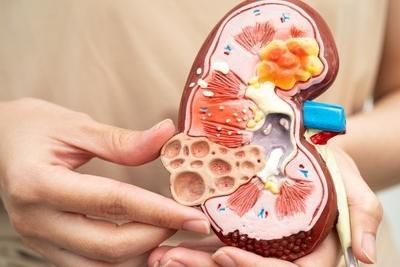
High blood pressure, also known as hypertension, is one of the leading causes of kidney damage. When blood pressure remains elevated over time, it places stress on the delicate blood vessels inside the kidneys. At Iowa Kidney Physicians, P.C. in Des Moines, IA, careful management of hypertension is a key part of protecting kidney function and preventing long-term complications.
How High Blood Pressure Affects the Kidneys
The kidneys rely on a network of tiny blood vessels that filter waste and excess fluid from the bloodstream. These vessels are designed to handle steady blood flow, but persistently high pressure can damage their structure. Over time, this damage reduces the kidneys’ ability to filter blood effectively.
As the filtering system becomes less efficient, waste products and fluid can begin to build up in the body. This process may gradually lead to chronic kidney disease if hypertension is not controlled.
The Connection Between Hypertension and Kidney Disease
Hypertension and kidney disease often influence each other. High blood pressure can damage kidney tissue, and reduced kidney function can also cause blood pressure to rise further. This cycle can accelerate the progression of kidney disease when it is not carefully managed.
Patients with uncontrolled hypertension may experience swelling, fatigue, changes in urination, or other signs related to declining kidney function. Because these symptoms can appear gradually, routine monitoring is essential.
Managing Blood Pressure to Protect Kidney Function
Controlling blood pressure is one of the most effective ways to reduce the risk of kidney damage. Treatment plans often include a combination of lifestyle changes and medical therapy. Physicians may recommend adjustments such as maintaining a balanced diet, reducing sodium intake, staying physically active, and managing body weight.
Medication may also be prescribed to help regulate blood pressure and reduce strain on the kidneys. Regular monitoring allows providers to evaluate how well treatment is working and adjust the plan when needed.
The Importance of Ongoing Kidney Monitoring
Patients with hypertension benefit from routine kidney function testing. Blood tests and urine tests help track how well the kidneys are filtering waste and detect early signs of damage. Monitoring these results over time allows physicians to intervene before more serious complications develop.
Early identification of kidney changes provides an opportunity to slow disease progression and preserve long-term kidney health.
Kidney Care in Des Moines, IA
At Iowa Kidney Physicians, P.C. in Des Moines, IA, patients receive comprehensive evaluation and management for hypertension and kidney disease. The care team focuses on identifying risk factors, monitoring kidney function, and creating personalized treatment plans that support long-term health.
If you have high blood pressure or concerns about kidney health, scheduling an evaluation can help protect your kidney function. Call Iowa Kidney Physicians, P.C. in Des Moines, IA, at 515-336-6557 to schedule an appointment.